

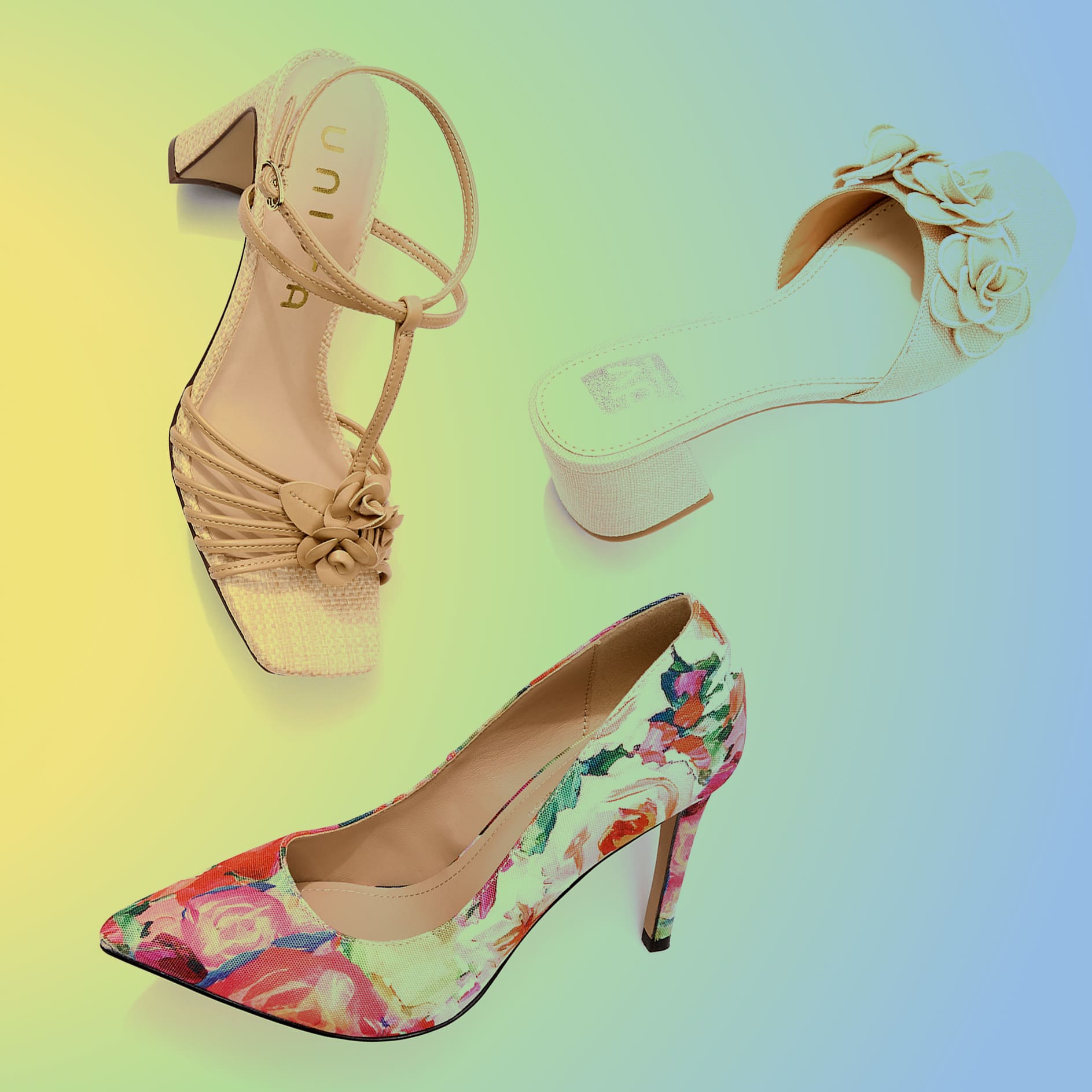
The Guide to Women’s Dress Shoes You Can Actually Wear All Day
The Sole Summary
Dress shoes have a reputation for looking great in the mirror and feeling considerably less great three hours later. But comfort and polish don't have to be mutually exclusive.
The trick is knowing what to look for before you commit to a pair. Because while we would all love to spend the day in a sky-high stiletto, sometimes the occasion calls for a little more strategy. The good news? There are plenty of ways to get the look without spending the rest of the day counting down until you can take your shoes off.
In This Guide
| Heels |
| Dress Sandals |
| Dress Boots |
What to Look For Before You Buy
- Start With the Insole
- Pay Attention to the Fit, Not Just the Size
- Give Your Toes Some Breathing Room
- Check the Heel Before You Check the Height
- Test for Heel Slipping
- Don't Forget the Construction
First, Find Your Heel
Heels
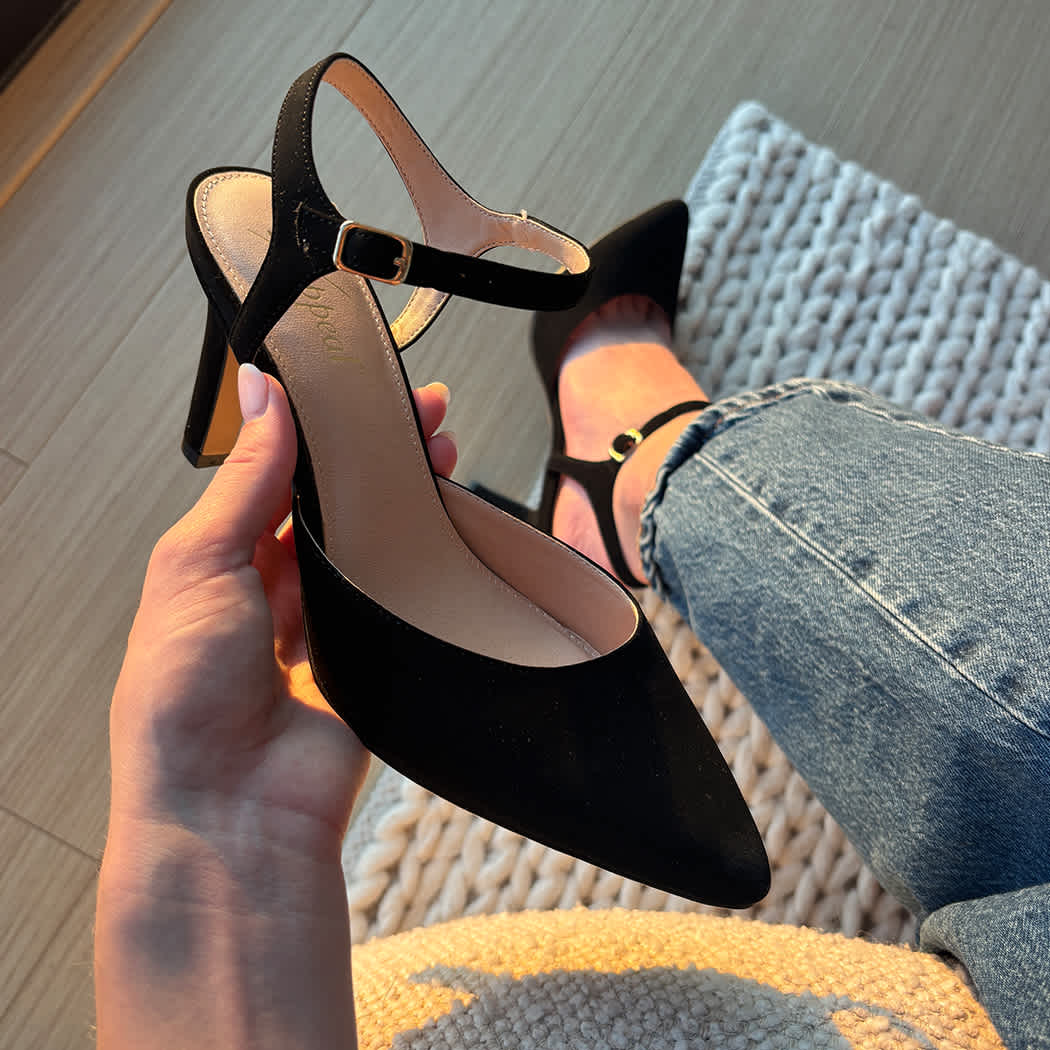
Best for: Work, weddings, dinners, special occasions and anywhere you want a little extra height.
Heels are the obvious choice when you want to dress things up, but not every heel needs to be a test of endurance. If you'll be on your feet all day, think about the height, shape and construction of the heel as much as the overall look.
A lower heel can still feel polished without asking quite as much from your feet. A block heel or platform can give you more height while providing a broader, more stable base. And if you're after that barely-there, leg-lengthening effect, a kitten heel can give you the look without committing to several inches of vertical ambition.
How to wear them: Don't feel obligated to save your heels for your dressiest outfits. One of the easiest ways to make a heel feel modern is to pair something polished with something a little more relaxed. Think a pointed pump with straight-leg or relaxed jeans, a kitten heel with tailored trousers, or a sculptural heel with a simple midi skirt. The contrast keeps the look from feeling too buttoned-up.
For work, a pump or lower block heel looks right at home with suiting, wide-leg trousers or a streamlined dress. For evenings, let the shoe have a little more personality. A pointed toe, interesting heel shape or unexpected color can make even a simple black dress feel considerably less simple.
And when you're dressing for a full day, remember that height isn't the only way to make an impact. A kitten heel can still look polished, while a chunkier heel or platform gives you lift with a little more stability. Consider it the difference between dressing for the photo and dressing for the entire itinerary.
Dress Sandals
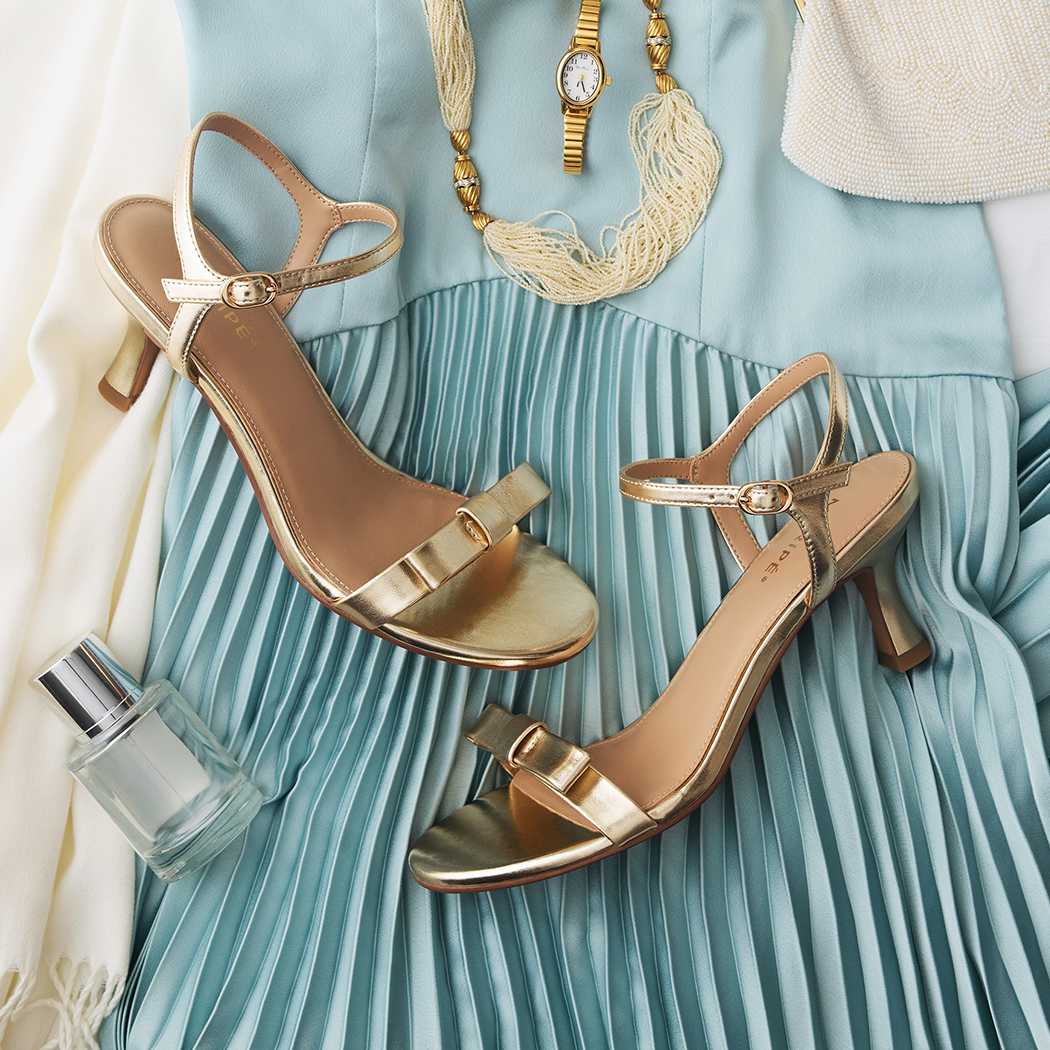
Best for: Warm-weather weddings, vacations, dinners, parties and dressed-up occasions where your toes are invited, too.
Dress sandals can range from barely-there strappy styles to more substantial heeled designs. They're an easy way to make an outfit feel instantly more polished, but the fewer materials between your foot and the shoe, the more important the fit becomes.
Look for straps that hold your foot securely without digging in. Adjustable straps are especially useful because they let you fine-tune the fit rather than hoping the shoe magically cooperates.
How to wear them: A dress sandal doesn't have to mean “dress.” In fact, some of the freshest pairings come from mixing a delicate or strappy sandal with pieces that feel more relaxed or tailored. Try a heeled sandal with wide-leg trousers, a crisp button-down or an oversized blazer for a look that feels polished without looking overly precious.
With dresses and skirts, consider the proportions. A barely-there sandal can balance a fuller or more voluminous silhouette, while a chunkier heel or wedge can hold its own against a longer, more substantial dress.
And don't be afraid to take your sandals beyond the obvious warm-weather wardrobe. A sleek pair can work surprisingly well with transitional pieces, like cropped trousers, a lightweight jacket or even socks when the styling calls for it. The goal isn't to make every piece match. It's to give the outfit a little tension.
Dress Boots
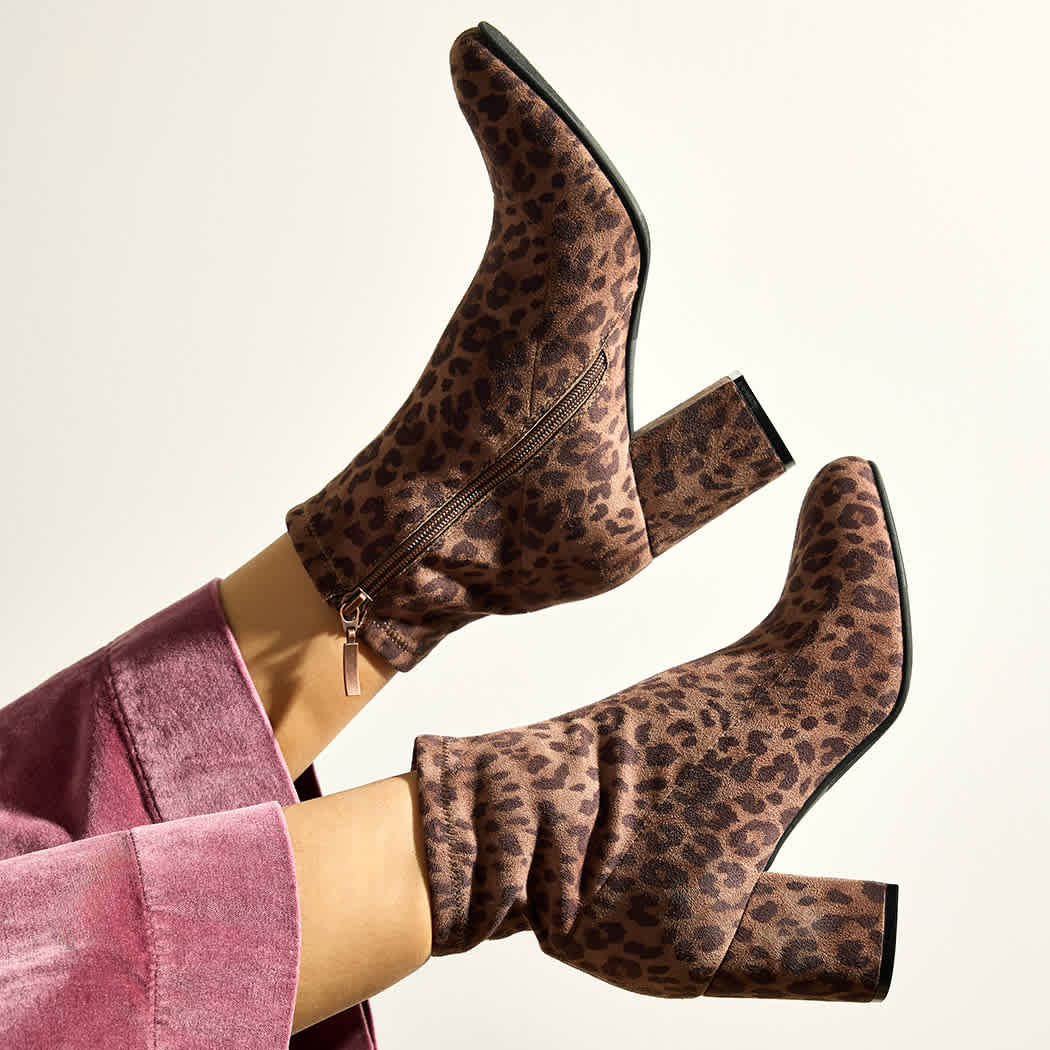
Best for: Work, dinners, events and polished everyday dressing when the weather calls for a little more coverage.
Dress boots are arguably the multitaskers of the group. They can look polished enough for the office, dressed up enough for dinner and practical enough for a cooler-weather commute.
Pay attention to both the foot and the shaft. A boot can fit perfectly around your toes and still feel uncomfortable if the shaft is too tight through the calf. If you need more room, look for wide-calf options rather than trying to convince a too-snug boot to become your friend.
How to wear them: Dress boots are especially good at adding structure to softer outfits. Pair a sleek ankle boot with a flowing midi dress, a taller boot with a shorter hemline, or a polished heeled boot with relaxed trousers for that high-low balance fashion editors love.
For a more streamlined look, match the visual weight of the boot to the rest of the outfit. A slim, pointed boot works beautifully with tailored pieces and dresses, while a chunkier heel can bring some attitude to something more feminine.
And don't think you need to wait for the temperature to drop before pulling out your boots. Recent street style has been making a strong case for boots with dresses and bare legs well beyond traditional boot season. The trick is keeping the rest of the outfit seasonally appropriate, rather than treating the boot like a sign that winter has officially arrived.
The Comfort Test: What to Look For Before You Buy
This is where the real work happens. A shoe can look comfortable online and still have you negotiating with your feet by lunchtime. Here's how to actually assess one before you commit.
Start With the Insole
Cushioning should feel like supportive padding, not a mattress.
Press your thumb into the insole. You should be able to feel some give, but the material shouldn't collapse completely under pressure. Too little cushioning can leave your feet feeling the hard surface underneath; too much, especially if it's overly soft, can make your foot sink into the shoe and feel less stable.
Then put the shoe on and stand normally. You should feel cushioning beneath the areas that take the most pressure, without your foot feeling like it's being swallowed by foam.
Industry tip: Don't confuse softness with comfort. A shoe can feel wonderfully squishy for 30 seconds and still become uncomfortable after hours of wear. What matters is how your foot feels once you're actually standing and moving.
Pay Attention to the Fit, Not Just the Size
Your usual size is a starting point, not a guarantee.
Your heel should stay relatively secure when you walk, your toes shouldn't feel compressed, and your foot shouldn't slide noticeably forward with every step.
Try walking at your normal pace rather than taking two careful little steps in front of the mirror. If you naturally shorten your stride because you're afraid the shoe will slip, pinch or wobble, that's useful information.
For pointed-toe styles, check the space around your toes especially carefully. The point can create the illusion that there's plenty of room when your toes are actually being squeezed into a narrower area.
Give Your Toes Some Breathing Room
Your toes shouldn't be touching the front of the shoe when you're standing.
A good test: stand up and make sure you can comfortably wiggle your toes. Then walk. Your foot will naturally move forward slightly, especially in a heel, so you don't want your toes starting the day already pressed against the end.
If you regularly need more room through the forefoot, look specifically for wide-width styles. Don't assume going up a size will solve the problem. A longer shoe isn't necessarily a wider shoe, and extra length can create its own fit issues.
Check the Heel Before You Check the Height
A heel doesn't have to be low to be comfortable, but the higher you go, the more strategic you should be.
Think about your actual plans. If "all day" means commuting, walking between meetings and standing at a desk, a thin kitten heel or lower block heel may be the smarter move. If you want more height for an event, a chunkier heel or platform can give you additional lift without putting all the work on one tiny point.
And yes, the sky-high stiletto is beautiful. We're simply suggesting you know what kind of day you're signing up for.
Test for Heel Slipping
A little movement is normal. A heel that repeatedly pops out as you walk is another story.
Look for a shoe with a secure heel counter and a fit that holds your foot in place without squeezing it. Adjustable straps can help with sandals, while a properly fitted closed-toe shoe should stay relatively secure without requiring you to grip the shoe with your toes.
Walk up and down a few steps if you can. If your heel is lifting significantly with every stride, don't assume you'll simply "break it in." The shoe may not be the right shape for your foot.
Don't Forget the Construction
Flex the shoe gently where your foot naturally bends. You want some flexibility through the forefoot, but the shoe shouldn't feel flimsy or collapse in on itself.
For heels, check that the shoe feels stable when you're standing and walking. For boots, make sure the upper moves comfortably with your ankle rather than fighting against it.
The goal isn't to find the softest, squishiest or most flexible shoe possible. It's finding a combination of cushioning, structure and flexibility that works with the way you'll actually wear it.
Match the Shoe to the Day
The most comfortable dress shoe isn't necessarily the one with the most cushioning or the lowest heel. It's the one that makes sense for what you're asking it to do.
Running from the train to the office? Keep the heel manageable and the fit secure.
Standing through a wedding ceremony, cocktail hour and reception? Look for cushioning (but not too much), a stable heel and a fit that won't have you thinking about your shoes every five minutes.
Need something polished for eight hours at work? Prioritize a comfortable insole, room through the forefoot and a heel height you can realistically walk in.
Need more room through your feet or calves? Start with styles specifically designed in wide widths or wide-calf proportions rather than trying to size up and hope for the best.
Because the best dress shoe isn't the one you can tolerate until the event is over. It's the one you forget you're wearing.